How to Remove Dark Eye Circles: 7 Dermatologist-Approved Treatments
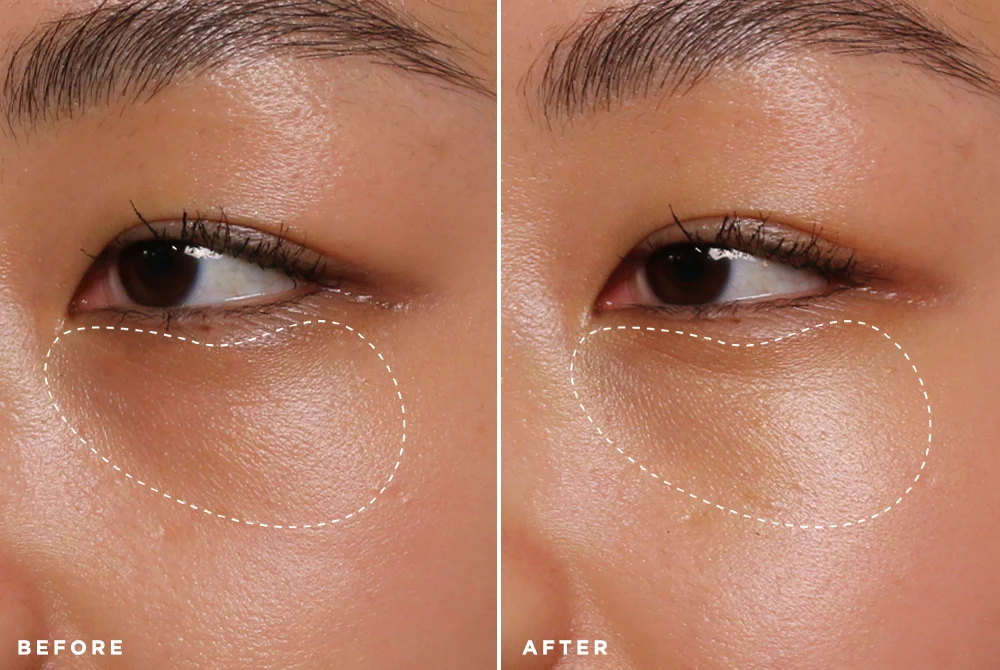
Dark eye circles can make the face appear fatigued, even when a person feels completely refreshed. They may develop because of genetics, pigmentation, allergies, dehydration, lack of sleep, sun exposure, or gradual changes in the delicate skin beneath the eyes. Fortunately, several evidence-informed approaches can help diminish their appearance. The key is identifying what is actually causing the discoloration before selecting a treatment.
Why Do Dark Eye Circles Appear?
The skin surrounding the eyes is exceptionally thin and contains relatively little cushioning tissue. Consequently, blood vessels and underlying structures can become more visible than they would elsewhere on the face. Pigmentation can also accumulate in the area, particularly after repeated sun exposure or inflammation.
Some dark circles are predominantly brown, suggesting a pigmentary component. Others appear bluish or purplish because of visible blood vessels beneath translucent skin. A third category results from hollowness around the tear trough, where shadows create the illusion of darkness.
This distinction matters. A cream designed to address pigmentation may have limited influence on structural shadows, while a treatment intended for vascular discoloration may not substantially change brown pigmentation.
1. Use Daily Sun Protection
Sun protection is one of the simplest ways to prevent under-eye pigmentation from becoming more pronounced. Ultraviolet radiation can stimulate melanin production and contribute to uneven skin tone over time.
A broad-spectrum sunscreen can be incorporated into a morning skincare routine, while sunglasses can provide additional protection around the eyes. Because the under-eye region is sensitive, products should be applied carefully and kept away from direct contact with the eyes.
Consistency is crucial. Occasional sunscreen use is unlikely to provide the same protective benefit as regular application.
2. Improve Sleep and Hydration
Not every dark circle requires an elaborate cosmetic procedure. In some cases, lifestyle factors can make the area appear considerably darker.
Insufficient sleep may cause the skin to look dull while making underlying blood vessels more noticeable. Dehydration can also make the under-eye area appear less supple, potentially emphasizing fine lines and shadows.
Maintaining regular sleep patterns and drinking adequate fluids can therefore complement a broader skincare routine. These measures may not eliminate genetically determined dark circles, but they can reduce avoidable contributors.
3. Try Targeted Skincare Ingredients
A carefully selected skincare routine can be useful for mild pigmentation and uneven texture. Ingredients such as vitamin C and niacinamide are commonly incorporated into brightening formulations, while some retinoid-based products can support skin renewal and texture.
The under-eye region requires particular prudence. Strong active ingredients can cause irritation if used too aggressively, and irritation itself may make discoloration more noticeable.
For this reason, products specifically formulated for the eye area can be preferable. A gradual introduction also allows the skin to adapt without unnecessary irritation.
4. Manage Allergies and Avoid Eye Rubbing
Allergies can contribute to under-eye darkness in several ways. Congestion may make blood vessels more apparent, while repeated rubbing can irritate the surrounding skin.
Breaking the cycle of irritation can therefore be an important component of Dark eye circle treatment. Managing known allergies appropriately and avoiding unnecessary friction around the eyes may help reduce persistent discoloration.
Gentle cleansing is preferable to vigorous rubbing, particularly when removing makeup or sunscreen. The objective is to preserve the skin barrier rather than subject the delicate area to repeated mechanical stress.
5. Consider Chemical Peels
Certain professionally administered chemical peels may be considered when pigmentation contributes significantly to dark circles. These treatments use controlled exfoliation to encourage the removal of superficial pigmented cells and promote a more even-looking complexion.
However, the skin beneath the eyes is considerably more delicate than skin on many other facial areas. Not every peel is suitable for this location, and stronger formulations can cause irritation or unwanted pigmentation when used inappropriately.
A qualified dermatologist can determine whether a particular peel is suitable based on skin type, pigmentation, and the condition of the surrounding skin.
6. Explore Laser-Based Treatments
Laser technology can be another option for persistent pigmentation or selected vascular concerns. Different laser systems target different chromophores, meaning treatment selection depends heavily on the underlying cause.
One increasingly recognized approach is pico laser treatment, which delivers extremely short pulses of laser energy. It may be considered for certain pigmentation concerns because the technology is designed to fragment pigment while minimizing prolonged thermal exposure.
Results vary considerably between individuals. Skin tone, pigment depth, treatment settings, and the specific type of discoloration can all influence outcomes. Professional assessment is therefore essential before undergoing laser treatment around the eyes.
7. Address Structural Shadows
Sometimes the apparent darkness beneath the eyes is not primarily caused by pigmentation. Instead, hollowness around the tear trough can create shadows that resemble dark circles.
In such cases, brightening creams and pigment-targeting procedures may produce limited changes because the underlying issue is anatomical. Dermatologists and other qualified aesthetic medical professionals may assess whether structural treatments could be appropriate.
The treatment approach depends on facial anatomy, skin characteristics, age, and individual circumstances. Because the eye area contains delicate structures, procedures should only be considered following an appropriate professional assessment.
How to Choose the Right Treatment
There is no universal solution for dark eye circles. A person with brown pigmentation may require a very different approach from someone whose circles are primarily vascular or caused by facial shadows.
A dermatologist can evaluate the color, texture, skin thickness, and anatomical features surrounding the eyes. This assessment can help distinguish the dominant cause and prevent unnecessary experimentation with unsuitable products.
Maintaining Long-Term Results
Even after improvement, maintenance remains important. Daily sun protection, gentle skincare, adequate sleep, hydration, and avoiding excessive eye rubbing can help preserve the appearance of the under-eye area.
It is also important to maintain realistic expectations. Some dark circles are strongly influenced by genetics or natural facial anatomy and may not disappear completely. Nevertheless, identifying the underlying cause and combining appropriate home care with professionally guided treatments can often produce a noticeable improvement.
With a thoughtful approach, dark eye circles do not have to remain a permanent cosmetic frustration. The most effective strategy begins not with the strongest treatment, but with understanding exactly why the darkness is present.