pH Testing Made Simple: Understanding pH Litmus Paper and Calibration Solutions

Measuring pH is an important part of many laboratory, industrial, environmental, and water-testing processes. Whether testing water quality, chemical solutions, or other samples, knowing whether a substance is acidic, neutral, or alkaline can provide valuable information.
Different testing methods are available depending on the required level of accuracy and the application. pH litmus paper offers a simple method for quickly identifying acidity or alkalinity, while instruments such as digital pH meters can provide more precise measurements. For laboratories using pH meters, calibration solutions are essential for maintaining measurement accuracy.
Understanding these products can help users select the right testing method for their specific requirements.
What Is pH Litmus Paper?
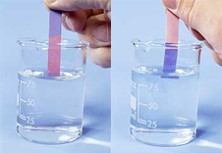
pH litmus paper is a simple testing material used to determine whether a solution is acidic or alkaline. It works through a color-changing reaction when the paper comes into contact with a sample.
Depending on the type of litmus paper, the color change can indicate whether a substance is acidic or alkaline. This makes it useful for quick checks where an approximate indication of pH is sufficient.
pH paper is commonly used in educational laboratories, basic chemical testing, water-related applications, and other environments where a fast and straightforward testing method is required.
Benefits of Using pH Paper
One of the main advantages of pH litmus paper is its simplicity. Testing generally requires minimal equipment and can be performed quickly.
Other potential benefits include:
- Easy handling and application
- Portable format for convenient testing
- Quick visual results
- No requirement for electrical power
- Suitable for preliminary or routine testing
However, users should understand the limitations of visual pH testing. When a highly precise numerical pH measurement is required, a properly calibrated digital pH meter may be more appropriate.
Why Is pH Meter Calibration Important?
Digital pH meters are widely used when laboratories require more precise pH measurements. However, an instrument’s readings can change over time because of electrode condition, temperature, sample characteristics, and regular use.
This is why routine calibration is an important part of pH measurement.
Calibration solutions provide known reference values that allow users to check and adjust the performance of a pH meter. Common pH calibration points can include acidic, neutral, and alkaline reference values, depending on the measurement range and instrument requirements.
Following the manufacturer’s calibration procedure helps establish reliable measurements and maintain consistency between tests.
Choosing the Right Calibration Solution
When selecting calibration solutions, users should consider the requirements of their pH meter and testing application.
The most important factors include:
pH value: Select reference solutions that correspond to the range being measured.
Compatibility: Ensure the solution is suitable for the specific pH meter and electrode.
Quality and consistency: Reliable reference solutions are important for repeatable calibration.
Storage: Follow the manufacturer’s recommendations for storage and handling to maintain solution quality.
Testing frequency: Laboratories performing frequent pH measurements may require regular calibration according to their procedures and instrument manufacturer’s recommendations.
pH Paper and pH Meters Can Serve Different Purposes
pH litmus paper and digital pH meters should not necessarily be viewed as competing products. They can serve different roles within a testing workflow.
pH paper can be useful for quick screening and basic testing, while a calibrated pH meter can be used when more precise numerical measurements are required.
Choosing between these methods depends on factors such as accuracy requirements, testing environment, sample type, testing frequency, and available resources.
Explore pH Testing Products from R Instruments
R Instruments provides products for laboratory and chemical testing applications, including pH-related testing products and calibration solutions.
Its range of testing solutions can support laboratories, educational facilities, industrial users, and other organizations that require reliable tools for chemical and pH testing.
When selecting calibration solutions or pH testing products, users should consider their specific instrument, testing range, and measurement requirements to identify the most appropriate solution.
Select the Right pH Testing Approach
Reliable pH testing begins with choosing a method that matches the application. pH litmus paper can provide a convenient way to perform quick acidity or alkalinity checks, while calibrated pH meters can support more precise measurements.
For users relying on digital pH instruments, selecting appropriate calibration solutions and following proper calibration procedures can help maintain measurement consistency.
By understanding the differences between these testing methods and selecting products based on actual application requirements, laboratories can develop practical and reliable pH testing workflows. Explore pH testing and calibration products at Rinstruments.